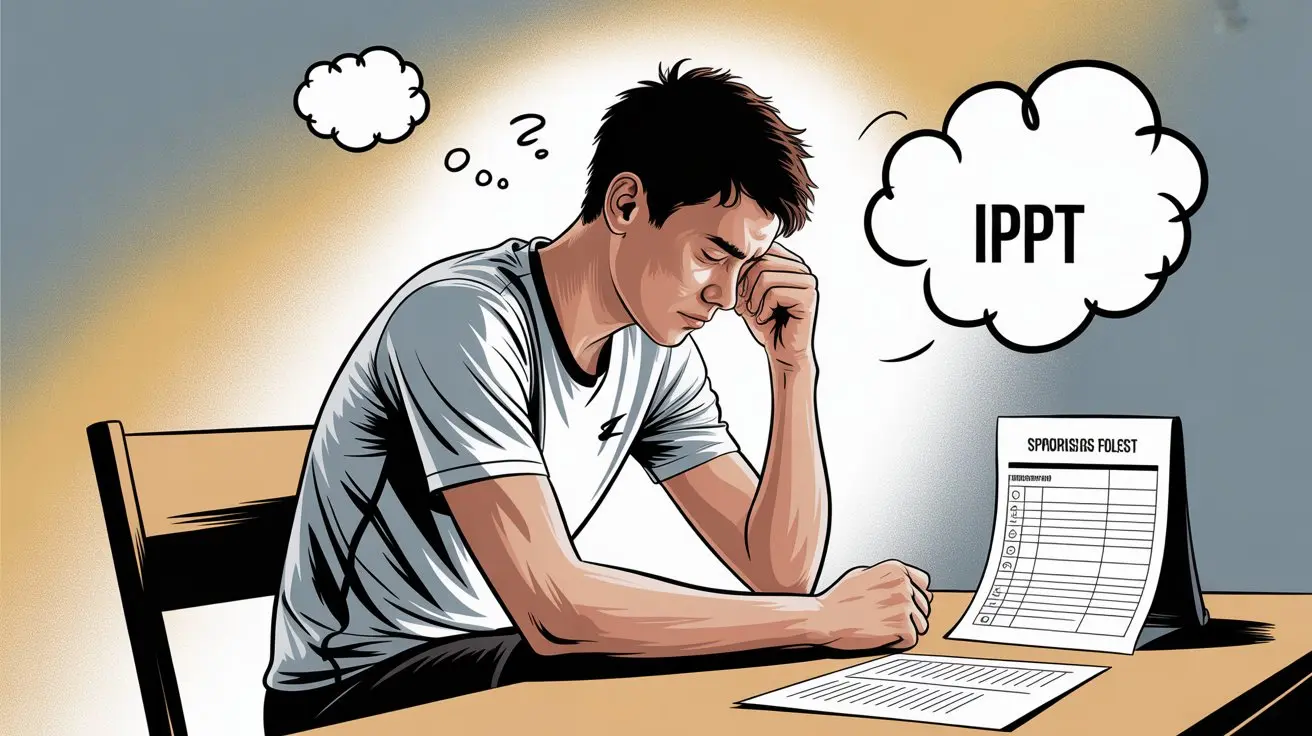
IPPT performance comes down to pacing, form, recovery, and knowing which station gives you the most points. These seven steps fix the most common mistakes NSmen make during push-ups, sit-ups, and the 2.4km run, helping you train smarter, avoid burnout, and score more consistently for the Singapore Armed Forces fitness test.
If you’ve taken IPPT before, you already know this feeling. You think you trained enough, but when test day comes, something still goes wrong. Push-ups feel heavier than usual. Sit-ups slow down halfway. The 2.4km run somehow feels longer than it should. It’s frustrating, especially when you’ve already put in the effort.
What most people don’t realise is that IPPT isn’t hard because it’s physically extreme. It’s hard because small mistakes add up. Bad pacing, sloppy form, poor recovery, or simply training the wrong thing at the wrong time. Once you fix those, scoring well becomes a lot more predictable. If you keep missing your target despite training, here’s a helpful IPPT fail guide that explains the most common mistakes and how to fix them. These 7 steps aren’t fancy. They are the things that actually made a difference for people who struggled, adjusted, and eventually got through IPPT with less stress.
What Is IPPT?
The IPPT is the official fitness test used by the Singapore Armed Forces and assessed through three stations: push-ups, sit-ups, and the 2.4km run. Your score is based on a points system, where improving one weak station often increases your overall performance far more than training everything equally.
Quick reality check before you continue:
- You don’t need to train every day to do well for IPPT.
- Most people lose points because of pacing and form, not effort.
- Fixing one weak station often helps more than training everything.
- Feeling tired all the time usually means you’re doing too much, not too little.
Step 1 — Know Where Your IPPT Points Actually Come From
A lot of people train IPPT like it’s a general fitness test. That’s usually the first mistake. IPPT isn’t about being fit overall. It’s about points. Some points are much easier to earn than others depending on where you’re starting from.
For example, if your run timing is already decent but your push-ups are borderline, chasing another 10 seconds off your run might not be worth the effort. On the other hand, fixing push-up form alone can sometimes give you extra reps without adding any strength at all.
Before changing your routine, take a hard look at where you’re losing points. Not what you like training, but what is actually pulling your score down.
IPPT Points Snapshot (Simple Overview)
- Push-Ups → 25% of total
- Sit-Ups → 25% of total
- 2.4km Run → 50% of total
- Gold, Silver, and Pass grades depend on total points and age bands used by the NS Portal.
Step 2:Fix Push-Up Form Before Chasing Strength
This is one of the most common issues, especially for NSmen who haven’t trained regularly in a while. You start strong, then halfway through your body line collapses, your shoulders burn out, and suddenly every rep feels twice as hard.
Most failed push-ups aren’t because you’re weak. They happen because your body isn’t straight, you rush the early reps, or your shoulders take over instead of your chest and arms.
When your form breaks, your energy drains fast. Cleaning this up usually improves reps quicker than just doing more push-ups every day.

Step 3: Use Rhythm to Improve Sit-Up Reps
Sit-ups look simple until test day. Then people either rush and gas out, or slow down too much and cannot recover. The trick isn’t going faster. It’s moving smoothly.
If your core isn’t engaged properly, your lower back and hips end up doing more work than they should. That’s when discomfort kicks in and your reps stall.
Instead of grinding sit-ups every session, focus on controlling your movement and breathing. Once the rhythm clicks, sit-ups stop feeling like a fight.

Step 4: Train Your 2.4km Pace, Not Just Your Endurance
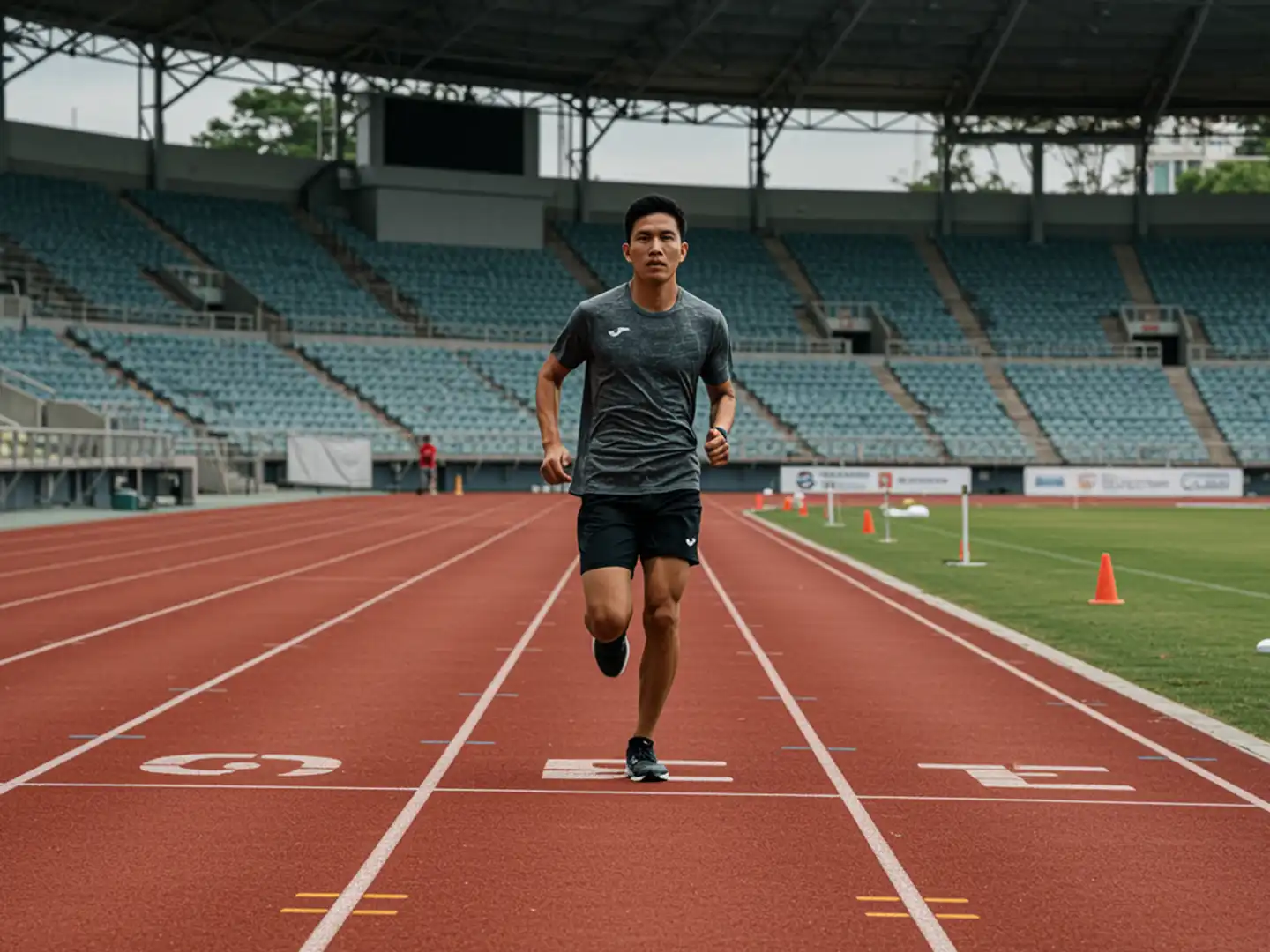
This one catches a lot of people off guard. They jog regularly, feel okay during training, but still can’t hit the timing on test day. That’s because IPPT running isn’t just about endurance. It’s about handling discomfort at a steady pace.
Short bursts of faster running mixed with slower recovery runs work much better than long, comfortable jogs. They teach your body how to recover while moving, which matters a lot in the last kilometre.
You don’t need complicated plans. Just stop relying on slow runs alone.
Step 5: A Smarter Weekly Schedule Beats Daily Training
Most NSmen don’t fail IPPT because they’re lazy. They fail because life gets in the way. Work, family, fatigue, all of it adds up. Trying to train everything at once usually leads to burnout or injury.
If time is limited, prioritise. Fix the station that gives you the most return. Combine exercises. Skip workouts that leave you destroyed but don’t improve performance.
Consistency beats intensity almost every time.
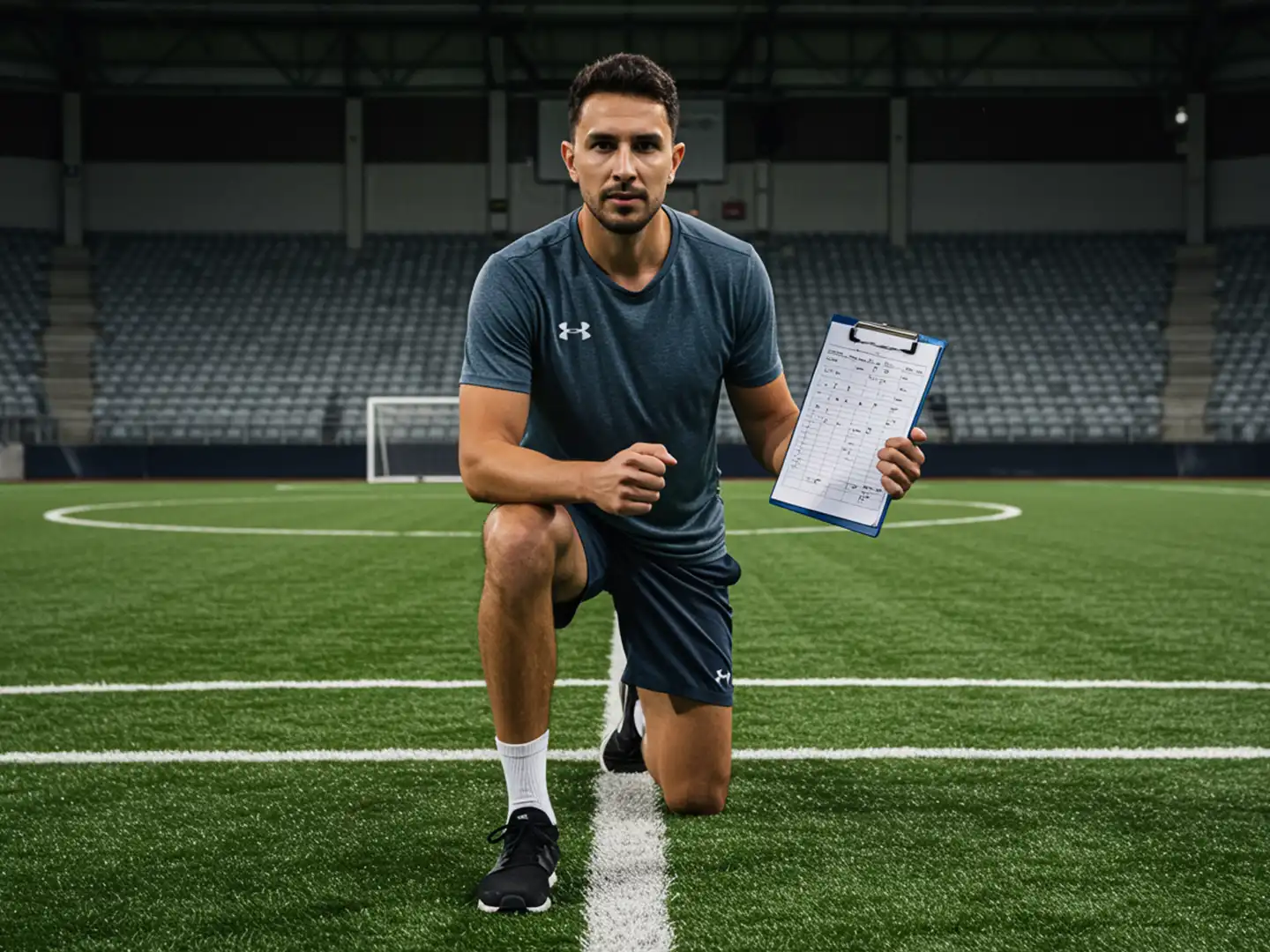
A simple weekly training snapshot (not a strict plan)
This isn’t meant to be followed perfectly. It’s just a rough idea of how most people can spread things out without overdoing it.
- Day 1: Push-ups + light core work
- Day 2: Short run with some faster pacing
- Day 3: Rest or very light movement
- Day 4: Sit-ups + push-ups (not max effort)
- Day 5: Easy run or intervals
- Day 6-7: One rest day, one optional light session
If you miss a day, don’t try to “make up” for it. Just continue as usual.
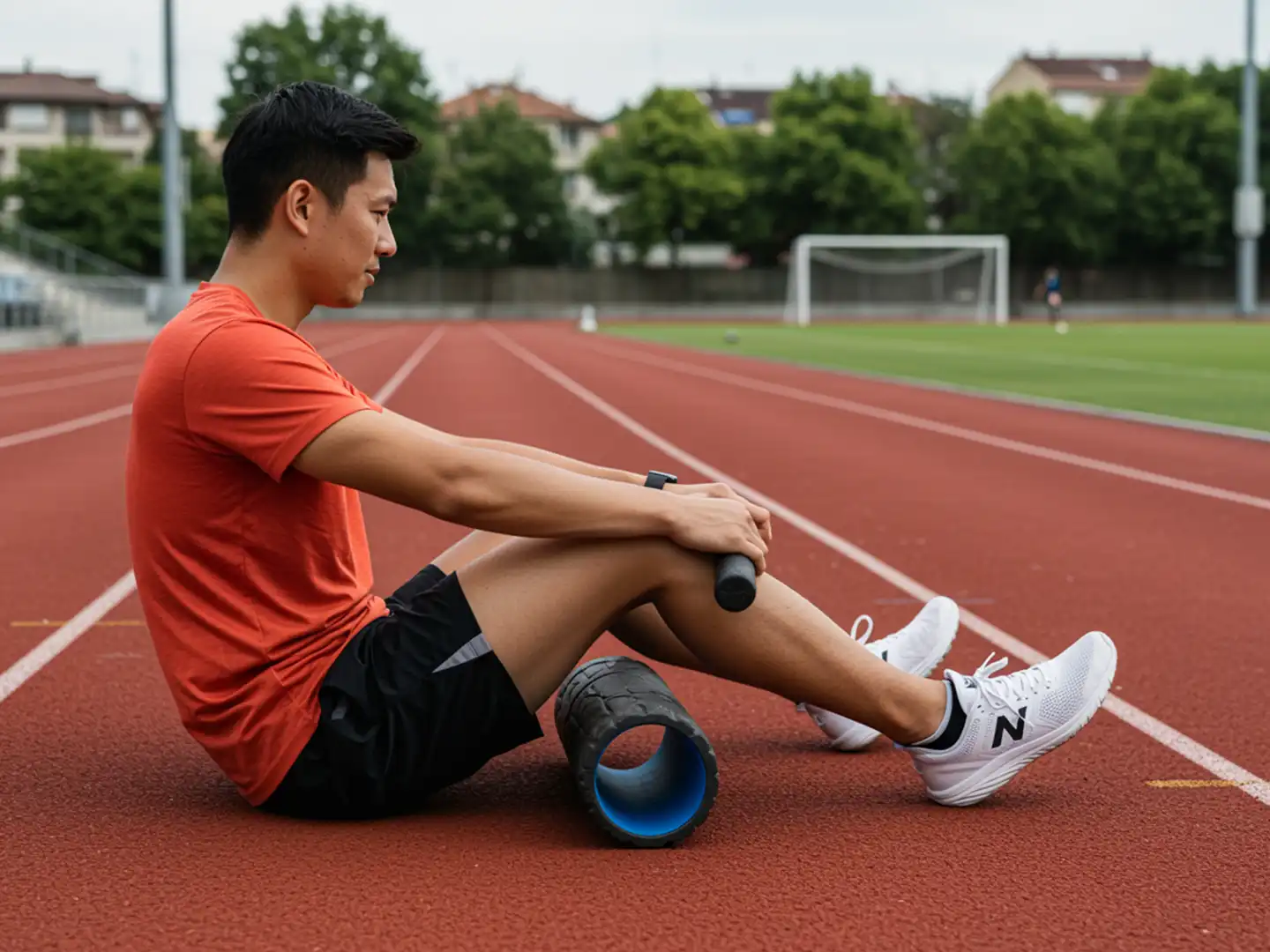
Step 6: Prioritise Recovery So Your Body Can Perform
This part is boring, so people ignore it. Then they wonder why their shoulders hurt or their legs feel dead on test day.
Training breaks your body down. Rest is what builds it back up. If you are constantly sore, constantly tired, or forcing sessions, you are not working hard. You are just digging a hole.
Sometimes the smartest move before IPPT is to train less, not more.
Step 7: Don’t Sabotage Yourself on Test Day
You would be surprised how many points are lost on simple things. Starting too fast, skipping warm-ups, trying something new during the test, or overthinking every station.
If you want a deeper breakdown, you can read this IPPT fail guide that covers the most common mistakes and why they happen.
By the time IPPT day comes, the work is already done. Your job is just to execute calmly. Treat it like a routine, not a do-or-die event.
FAQ: Common Questions
The fastest way to improve your IPPT score is to stop training everything equally and focus on the station that is costing you the most points. For many people, fixing push-up form, improving sit-up efficiency, or learning to pace the 2.4km run properly leads to quicker gains than simply training harder. Small technical improvements often show results faster than adding more volume.
Push-ups usually fail because of fatigue caused by poor form or pacing, not because of a lack of strength. Rushing the first few reps, letting the body line sag, or overusing the shoulders can drain energy early. Once form breaks down, every rep feels harder, even if you were strong enough at the start.
Jogging builds general endurance, but IPPT performance depends heavily on pacing and familiarity with discomfort. If most of your runs are slow and comfortable, your body may not be prepared to hold a steady pace during the test. Without training closer to your target speed, it’s common to struggle on test day even if you run often.
Most people perform best with three to four focused training days a week. This allows enough time to work on key stations while still recovering properly. Training every day often leads to constant fatigue or minor injuries, which can slow progress instead of improving performance.
Small improvements can appear within a few weeks if training is consistent and recovery is managed well. Noticeable gains usually depend on your starting point and which stations need the most work. If you are fixing form or pacing issues, progress may come sooner than expected. Larger improvements take longer and require patience.
Related IPPT topics people often look for
If you’re still working on specific areas, you might find it useful to look into more focused topics like push-up form guides, sit-up technique breakdowns, or pacing strategies for the 2.4km run. Some NSmen also prefer following a short training program, such as a one-month IPPT preparation plan, especially when time is limited.
Others choose to plan their approach around tools like an IPPT points calculator to see where they are losing marks, or follow structured NSFit preparation guides designed for busy schedules. These are all common ways people prepare for IPPT depending on how much time and flexibility they have.
Final Thoughts
IPPT doesn’t need extreme discipline or complicated systems. It needs clarity, consistency, and honesty about what’s actually holding you back. Once you stop copying random advice and start fixing the small things that matter, the test becomes far less stressful. Your score usually follows. Pair these steps with the full IPPT preparation guide, and calculate your IPPT score to see where you stand; if the 2.4 km run is your weak point, read the mental side of the 2.4 km run.