Complete IPPT Preparation Guide: Training Plan, Nutrition & Score Improvement Strategy

IPPT performance improves when training aligns with the 50/25/25 scoring structure and targets measurable weaknesses. The 2.4km run contributes 50% of total score, while push-ups and sit-ups contribute 25% each. Because of this distribution, aerobic conditioning, muscular endurance, and pacing discipline must be trained strategically.

Most NSmen fail not because they are unfit – but because they train without a plan. This guide provides a structured IPPT preparation framework covering scoring impact, baseline testing, training progression, nutrition, recovery, and test-day execution.

Before beginning any training cycle, calculate your baseline using our IPPT Calculator. Accurate measurement improves clarity, reduces anxiety, and allows targeted progression.

IPPT Preparation Guide – Quick Summary

  • Run: The 50% Score Decider

    IPPT follows a 50/25/25 scoring model where the 2.4km run determines half of your total score.

  • Push-Up & Sit-Up Precision

    Push-ups and sit-ups build incremental points through muscular endurance and strict form control.

  • 6–8 Week Performance Boost

    Most candidates improve significantly within 6–8 weeks using structured interval training and progressive overload.

  • Test Before You Train

    Benchmarking your current score is essential before starting any training plan.

  • Condition, Pace, Recover

    Aerobic conditioning, pacing discipline, and recovery management determine long-term performance improvement.

  • From Pass to Gold

    Moving from Pass to Silver or Gold requires run efficiency, repetition consistency, and targeted score optimisation.

What determines your maximum IPPT score?

Your maximum IPPT score is primarily determined by 2.4km run performance because it contributes 50% of total points. Push-ups and sit-ups contribute 25% each and increase score incrementally. Age band scoring adjusts thresholds but does not change station weighting. For the full breakdown, see the IPPT scoring system.

What is IPPT and why does it matter?

IPPT (Individual Physical Proficiency Test) is a structured performance assessment conducted under the Singapore Armed Forces and regulated by MINDEF. It measures repetition endurance and cardiovascular efficiency through push-ups, sit-ups, and a 2.4km run. The test uses a weighted scoring model that directly links performance output to total points. Understanding this structure is essential for effective preparation.

What is the IPPT (individual physical proficiency test)?

The IPPT evaluates muscular endurance and aerobic capacity under controlled conditions for eligible NSmen. Before starting your fitness journey, you should verify your specific IPPT eligibility to understand which test standards apply to your age and service status. The test consists of three primary components:

IPPT Consists of Three Stations

  • Push-Up Station (1 minute) – Upper body muscular endurance
  • Sit-Up Station (1 minute) – Core endurance and repetition control
  • 2.4km Run – Aerobic capacity and pacing discipline
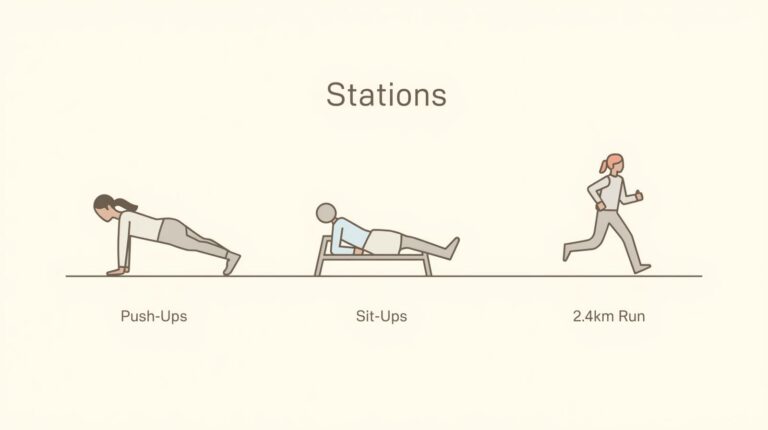
Simple illustration showing the three IPPT stations: push-up, sit-up, and 2.4km run, represented with clean minimal icons.

Each station contributes fixed points under the IPPT 50/25/25 model regulated by MINDEF. Push-ups assess upper body stamina. Sit-ups assess core endurance. The 2.4km run evaluates cardiovascular performance and pacing control

From a performance standpoint, IPPT rewards controlled output, not maximum strength bursts. Candidates who manage fatigue and pacing score higher than those who rely on early intensity.

How the IPPT scoring system works?

The IPPT scoring system follows a 50/25/25 distribution:

  • Push-ups: 25%
  • Sit-ups: 25%
  • 2.4km run: 50%

IPPT total score threshold & incentives (based on 2025/2026 standards)

The scoring system is adjusted based on age, with updated standards:

Achievement TierTotal PointsIncentive (2026)
Fail<51Mandatory NS FIT
Pass51-60None
Pass with Incentives61-70$200-$400
Silver71-90$300
Gold91-100$500

Incentive values are subject to official MINDEF updates and may vary by policy revision year.

IPPT score calculation formula

Total IPPT Score = Push-Up Points + Sit-Up Points + 2.4km Run Points (Adjusted by Age Band)

This scoring distribution is fixed across all candidates under the Singapore Armed Forces system.

Scoring brackets are adjusted by age band. Total score determines achievement tiers such as Pass, Silver, and Gold. Incentives and recognition are tied to total points, but preparation should focus on performance improvement rather than minimum thresholds.

What is a good IPPT score?

A good IPPT score depends on your objective. Pass ensures compliance. Silver reflects balanced conditioning. Gold indicates strong aerobic efficiency and repetition control.

To check how your current numbers translate into points, use the IPPT score calculator to calculate your exact score based on your age band.

Performance leverage example:

ImprovementLikely Effect
+8 push-upsModerate increase
+10 sit-upsModerate increase
-40 sec runSignificant score jump

Building a buffer above the minimum reduces stress before your IPPT window closes.

Understanding the IPPT 50/25/25 scoring model

The IPPT points system is built around station weighting. Each component contributes a fixed percentage to total performance scoring. Understanding score distribution allows you to allocate training time correctly.

ComponentWeightageScore Influence
Push-Up Station25%Gradual increase
Sit-Up Station25%Gradual increase
2.4km Run50%Highest impact
  • How Push-Ups Contribute 25%

    The push-up station contributes 25% of the total score. Each additional repetition increases your score gradually within your age bracket.

    Performance impact depends on:

    • Repetition count
    • Form compliance
    • Fatigue resistance

    Push-ups provide steady score growth, but their ceiling impact is limited compared to the run.

  • How Sit-Ups Contribute 25%

    Sit-ups also contribute 25% of total score. Core endurance and repetition pacing influence output significantly.

    Score impact depends on:

    • Consistent tempo
    • Energy distribution
    • Avoiding early fatigue

    Like push-ups, sit-ups build score incrementally.

  • How The 2.4km Run Contributes 50%

    The 2.4km run contributes 50% of total score. This makes aerobic dominance the most important factor in overall performance.

    Run timing directly affects:

    • Total score
    • Achievement tier
    • Incentive eligibility

    Small reductions in split timing often create larger total gains than strength improvements. This establishes the score ceiling principle: your run time limits your maximum possible score.

Understanding the three IPPT test components

Each component should be treated as a primary performance node.

  • Push-ups – strength and endurance standards

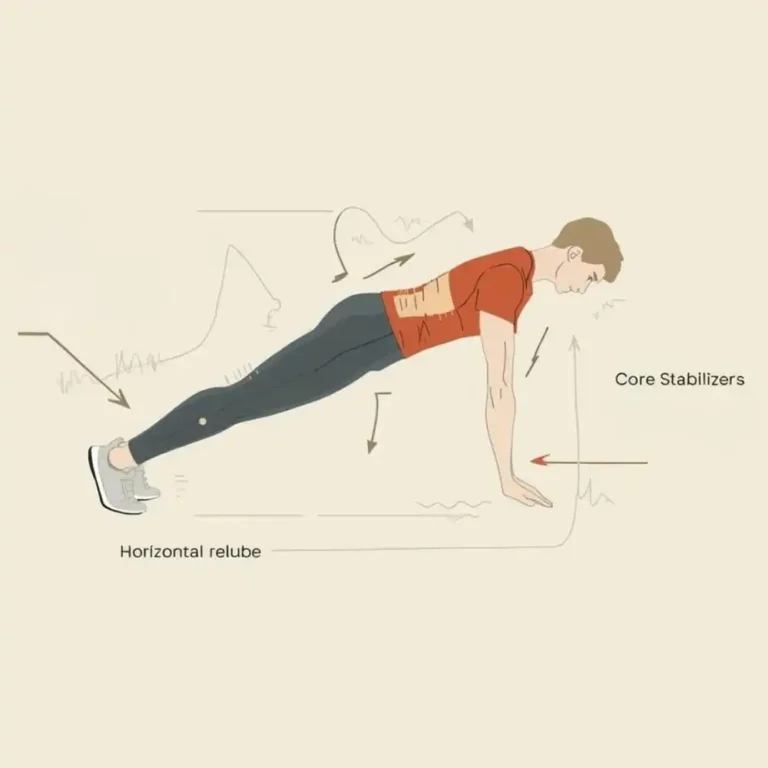
    Push-ups require strict alignment and full elbow extension. Common disqualification mistakes include partial lockout and unstable hip position.

    Muscles involved:

    • Chest
    • Triceps
    • Anterior shoulders
    • Core stabilisers

    Breathing should remain steady. Maintaining time under tension improves endurance capacity and repetition quality.

    Minimal illustration of proper push-up form with highlighted muscles—chest, triceps, shoulders, and core—and visual cues for lockout, stability, and controlled tempo.

    Push-Up Performance Drivers

    • Full elbow lockout
    • Core stability
    • Controlled tempo
    • Gradual volume progression
    • Fatigue management
  • Sit-ups – core endurance and technique

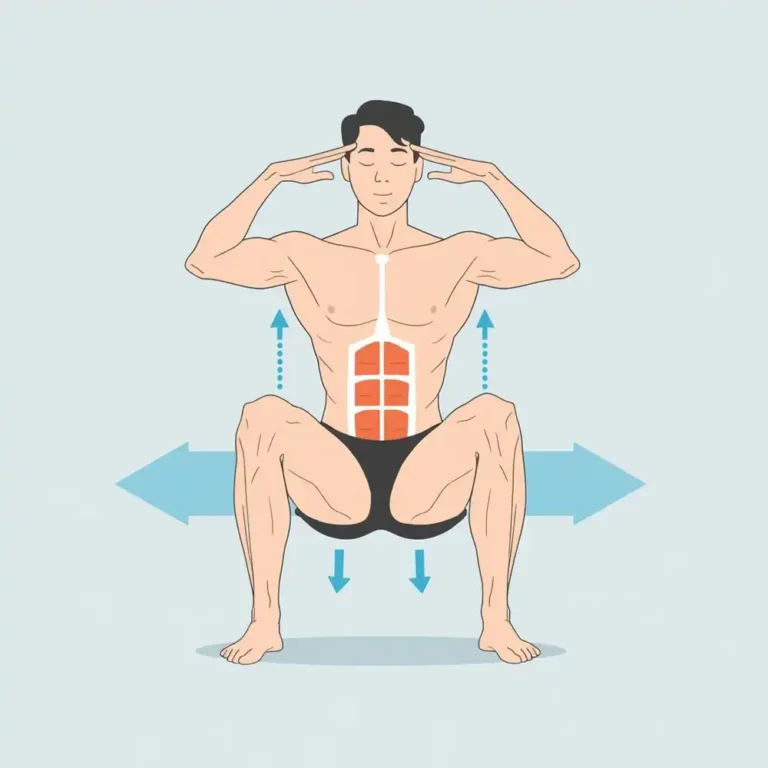
    Sit-ups test repetition speed and abdominal endurance. Proper posture and consistent tempo prevent wasted energy.

    Key muscle groups:

    • Rectus abdominis
    • Hip flexors

    Avoid explosive early reps. Controlled rhythm supports sustained output across the full duration.

    Sit-Up Output Factors

    • Stable abdominal engagement
    • Consistent repetition pacing
    • Controlled breathing rhythm
    • Energy preservation in early phase
  • 2.4km run – cardiovascular performance

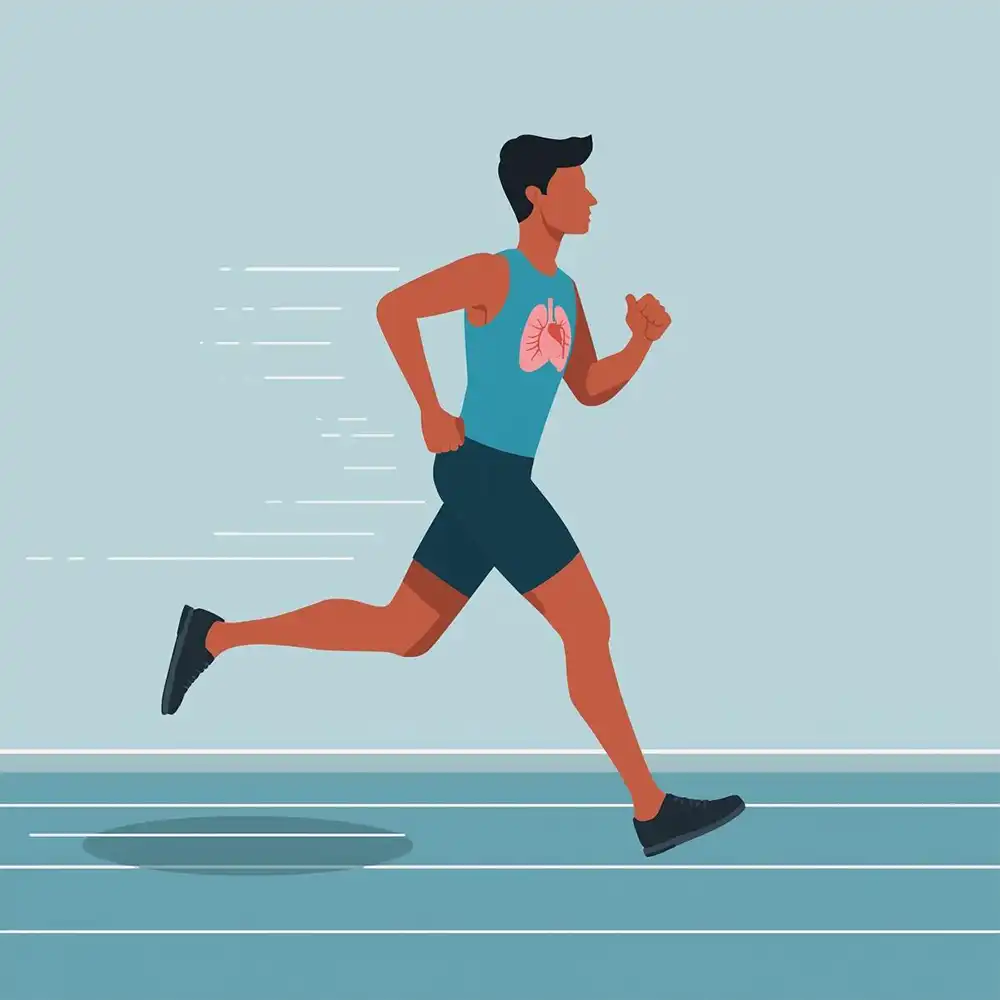
    The 2.4km run measures aerobic fitness, pacing strategy, and fatigue tolerance. VO2 max capacity and aerobic threshold determine how efficiently oxygen is delivered to working muscles. Controlled split timing reduces early fatigue and improves final lap strength.

    Minimal illustration of a runner on a track with subtle cues representing cardiovascular endurance and pacing control.

    2.4km Run Improvement Formula

    Aerobic Base

    • Interval Speed Work
    • Split Timing Discipline
    • Recovery Management = Faster 2.4km Timing

    This formula summarises how endurance development and pacing control combine to reduce overall run time.

    Candidates who rely only on casual jogging often plateau around mid-tier timing. Structured interval sessions combined with controlled split pacing produce more consistent improvements than random mileage.

How to benchmark your current IPPT fitness level?

Benchmarking establishes your baseline score and identifies weaknesses. Without measurement, training lacks direction.

  • Self-assessment before training

    Complete a full mock IPPT under realistic conditions. Track:

    • Exact push-up count
    • Exact sit-up count
    • Accurate 2.4km timing
  • How to benchmark your IPPT fitness level?

    Baseline testing improves clarity and reduces uncertainty.

    • Perform a full mock IPPT
    • Record repetitions accurately
    • Record precise run timing
    • Enter results into an IPPT score calculator
    • Identify lowest scoring station
  • Using a score calculator to set baseline

    Enter your results into an IPPT calculator to identify your current total score. This reveals your current performance tier and distance from target category.

    Baseline score identification allows:

    • Target setting
    • Training allocation planning
    • Incentive awareness
  • Identifying your weakest station

    Apply the weakest link principle. Compare muscular endurance against aerobic fitness.

    If run performance is low relative to strength stations, prioritise aerobic conditioning. Age band scoring awareness helps you understand realistic improvement targets.

  • Age-band scoring benchmark table

    Key IPPT Benchmarks for Gold (25 pts Push-up/Sit-up, 50 pts Run; Males/NSmen Examples)

    Age GroupPush-ups (Gold)Sit-ups (Gold)2.4km Run (Gold)
    22–24 (G2)40+ reps44+ reps≤9:40
    25–29 (G3)35+ reps40+ reps≤10:15
    30–34 (G4)30+ reps36+ reps≤10:50
    35–39 (G5)26+ reps32+ reps≤11:30
    40–44 (G6)22+ reps28+ reps≤12:15
    45–49 (G7)18+ reps24+ reps≤13:05
    50+ (G8)14+ reps20+ reps≤14:00

    Pass min: ~15–20 reps PU/SU, ~13–15min run (varies).

How to improve your IPPT score fast?

Fast improvement means strategic training, not reckless intensity. Because the 2.4km run carries 50% of the score, aerobic conditioning usually delivers the fastest total-point increase.

Many NSmen improve push-ups and sit-ups quickly but remain stuck in 2.4km timing due to inconsistent pacing or lack of interval structure. Correcting run strategy often unlocks the largest total score jump within one training cycle.

IPPT 2026 Updates:

No major changes to scoring, stations, or thresholds announced for 2026. Pre-enlistee IPPT locations shifting (Maju FCC to CMPB from Apr 2026). Focus on current standards; monitor NS Portal for incentives/pay updates.

Which component should you prioritize?

Start with the weakest link principle. Identify which station contributes the lowest relative score within your age band.

If your 2.4km timing is far from your target tier, prioritise run training. If your run is competitive but push-ups or sit-ups are lagging, increase strength endurance volume.

Score optimization is not about equal effort. It is about strategic allocation. The 50% run dominance means aerobic improvement often creates larger overall gains.

How many weeks do you need to improve?

Improvement depends on starting level.

TimelinePrimary Adaptation
4 WeeksPacing correction + neural adaptation
8 WeeksEndurance and aerobic gain
12 WeeksStructural performance transformation

Most candidates improve within 6–8 weeks when structured training progression is applied consistently.

How much can you realistically improve?

Improvement varies by age, consistency, sleep quality, and training progression. Unrealistic expectations lead to frustration. Structured progression builds steady confidence.

With structured training and proper recovery:i

  • Push-ups: +6 to +12 reps in 8 weeks
  • Sit-ups: +8 to +15 reps in 8 weeks
  • 2.4km run: 30–90 seconds reduction depending on baseline
IPPT training plan structure (4–12 weeks)

Training structure should match available preparation time and current level.

IPPT Training Phase Model

PhaseFocus
Base PhaseAerobic conditioning
Build PhaseStrength + interval layering
Simulation PhaseTest pacing practice
Deload PhaseVolume reduction before test
  • 4-week crash course training plan

    This plan suits candidates close to their test date. The goal is correction, not transformation.

    Weekly focus:

    • 2 interval sessions
    • 1 tempo run
    • 2 strength endurance sessions
    • 1 mobility or recovery day

    Volume progression should be gradual. Avoid sudden mileage increases. Prioritise your weakest station while maintaining other components.

  • 8-week structured training plan

    This is the most practical plan for working NSmen.

    Phase breakdown:

    • Weeks 1–2: Build aerobic base and reinforce technique.
    • Weeks 3–5: Increase interval intensity and repetition volume.
    • Weeks 6–7: Simulate test conditions and refine pacing.
    • Week 8: Reduce volume to preserve performance.

    Include one simulation test around Week 6 or 7 to measure progress.

  • 12-week gold standard plan

    Designed for those targeting Silver to Gold improvement.

    • Phase 1: Aerobic base expansion.
    • Phase 2: Strength endurance layering.
    • Phase 3: Speed and pacing refinement.
    • Phase 4: Deload and peak week.

    Testing simulations every 4 weeks help track measurable improvement. Periodization prevents stagnation and reduces injury risk.

  • Sample Weekly Workout Schedule

    DayFocus
    MondayPush-ups + Sit-ups
    TuesdayInterval Run
    WednesdayRest or Mobility
    ThursdayTempo Run
    FridayPush-up Volume
    SaturdayLong Easy Run
    SundayRest

    Cross-training such as cycling can support aerobic capacity without joint strain.

Push-up training strategy for maximum reps

Push-up endurance improves through strict form, progressive volume, and fatigue control.

  • Form Correction Techniques

    Maintain straight alignment from shoulders to heels. Ensure full elbow lockout on every repetition. Engage core muscles to prevent hip sagging.

    Common scoring loss occurs due to partial extension or unstable positioning. Strict technique ensures counted repetitions.

  • Volume Accumulation Method

    Increase total weekly repetitions gradually. Add one extra set per week or increase repetitions per set slightly.

    Control rest intervals. Time under tension builds muscular endurance more effectively than rushed repetitions.

  • Strength + Endurance Hybrid Approach

    Incorporate weighted variations once base endurance improves. Combine lower-rep strength sets with high-repetition endurance sets.

    Hybrid training improves upper body stamina and supports repetition max improvement without early muscle fatigue.

Sit-up core endurance training strategy

Sit-ups demand repetition control, abdominal endurance, and energy distribution. Many candidates lose score not because of weak abs, but because of poor pacing. Core fatigue builds gradually, and early overexertion reduces final output. Controlled repetition speed improves total count.

  • Core Stability vs Speed Repetition

    Sit-ups require balance between control and speed. Explosive early repetitions increase fatigue in the rectus abdominis and hip flexors.

    Focus on:

    • Stable torso alignment
    • Consistent rhythm
    • Smooth upward motion

    Abdominal engagement must remain active throughout the full duration. Core stability supports repetition efficiency.

  • Breathing Rhythm Control

    Breathing affects oxygen efficiency and muscular endurance. Inhale during descent. Exhale during upward contraction.

    Controlled breathing prevents early fatigue. Erratic breathing shortens endurance capacity.

    Maintaining tempo ensures consistent output across the entire timed set.

  • Avoiding Early Fatigue

    Energy distribution is critical. Avoid sprinting the first 15–20 seconds.

    Endurance layering works best:

    • Build moderate pace first
    • Maintain steady repetition rhythm
    • Increase speed slightly in final seconds

    This prevents mid-set collapse and preserves repetition count.

2.4km run improvement strategy

The 2.4km run determines half of your IPPT score. Aerobic conditioning, pacing control, and fatigue resistance directly influence total points. Structured run training produces measurable improvements when split timing is managed correctly.

2.4km Run Improvement Formula

Aerobic Base

  • Interval Speed Work
  • Split Timing Discipline
  • Recovery Management = Faster 2.4km Timing
  • Pacing strategy for different age groups

    Age affects recovery speed, not pacing logic. All age bands benefit from controlled early splits.

    Younger:

    • Slightly faster first lap possible

    Older:

    • Conservative first lap
    • Negative split model recommended
    • Split timing awareness prevents burnout.
  • Interval vs long distance training

    Interval training improves speed and VO2 max capacity. Long slow distance (LSD) builds aerobic conditioning and endurance base.

    Balanced weekly structure:

    • 1 interval session
    • 1 tempo run
    • 1 easy aerobic run

    HIIT improves oxygen utilisation. LSD improves endurance efficiency. Both are necessary for full run improvement.

  • Sprint finish technique

    The final 400m often determines overall timing improvement.

    Use a negative split model:

    • First half controlled
    • Second half slightly faster
    • Final 200–400m progressive acceleration

    Avoid early sprinting. Preserve energy for the finish.

  • How to improve VO2 max for IPPT?

    VO2 max reflects your body’s ability to use oxygen efficiently. It improves through structured interval training and progressive intensity increases.

    Focus on:

    • 400m or 800m repeats
    • Controlled recovery intervals
    • Gradual pace improvement
    • Tempo runs
    • Hill sprints

    Aerobic threshold training supports sustained pacing without early fatigue.

IPPT nutrition strategy for performance

Nutrition supports training adaptation and recovery. Proper fuel improves glycogen storage, muscular repair, and endurance output.

What to do vs what to avoid before ippt

DoAvoid
Light carbohydrate mealHeavy oily food
Familiar foodsNew supplements
Moderate hydrationSugary drinks immediately before run
  • What to eat during training phase?

    Daily intake should include:

    • Protein: 1.6–2g/kg
    • Carbohydrates support glycogen
    • Hydration maintains blood volume

    Protein supports recovery. Carbohydrates replenish glycogen. Hydration maintains performance stability.

  • Pre-test carbohydrate timing

    1. Consume moderate carbohydrates 24 hours before.
    2. Consume a light carbohydrate meal 2–3 hours before test.

    Examples:

    • Rice or oats
    • Toast with simple spread
    • Banana

    Avoid unfamiliar foods. Glycogen loading improves sustained run output.

  • Hydration strategy

    Maintain electrolyte balance through steady water intake during the day.

    Avoid:

    • Overhydration
    • Sugary drinks immediately before run

    Balanced fluid control prevents cramps and fatigue.

  • What to avoid before test day?

    Avoid:

    • Heavy oily meals
    • Excess caffeine
    • Dehydration
    • New supplements

    Digestive discomfort reduces performance output.

  • Protein intake for recovery

    Protein supports muscle repair and protein synthesis after training sessions.

    Consume moderate protein within 1–2 hours post-training. Balanced intake reduces muscular soreness and supports repetition improvement.

Recovery & injury prevention

Performance gains occur during recovery. Sleep, gradual load progression, and mobility work prevent injury and preserve long-term consistency.

Recovery determines how effectively training converts into repetition gains and faster run timing. Without adequate sleep and rest days, muscular endurance and aerobic capacity plateau. Overtraining increases risk of shin splints, knee discomfort, and shoulder strain. Structured recovery protects long-term performance.

  • How to prevent overuse injuries?

    IPPT preparation often increases running frequency and repetition volume. Sudden mileage spikes lead to shin splints. Poor form during push-ups may cause shoulder strain. Weak hip stability can contribute to knee pain.

    Prevention strategies:

    • Increase weekly mileage gradually
    • Maintain proper footwear
    • Warm up before every session
    • Avoid daily maximum-effort training

    Load progression must remain controlled.

  • Importance of sleep and active recovery

    Sleep supports muscular repair and glycogen restoration. Most NSmen require 7–8 hours for optimal recovery.

    Active recovery methods:

    • Light mobility work
    • Foam rolling
    • Gentle aerobic movement

    One full rest day per week allows adaptation without performance drop.

  • Warm-up routine for ippt

    A structured warm-up improves muscle readiness and pacing control.

    Recommended sequence:

    • 3–5 minutes light jog
    • Dynamic hip mobility
    • Shoulder activation drills
    • 2 × 100m strides accelerations

    Avoid static stretching before timed performance. Dynamic movement prepares muscles for repetition and run output.

Test day strategy

Execution discipline on test day protects your training gains. Poor pacing or emotional overexertion can undo weeks of preparation.

  • What to Bring?

    • Proper running shoes
    • Hydration
    • Clear pacing plan

    Avoid last-minute equipment changes.

  • Mental Preparation

    Control early anxiety. Focus on breathing rhythm and repetition control. Avoid comparing your pace with others during the run.

    Confidence should come from structured preparation, not emotion.

  • Warm-Up Timing

    Complete your dynamic warm-up 10–15 minutes before the first station. Do not overexert during warm-up.

    Muscle activation should increase readiness without causing fatigue.

  • Score optimization order strategy

    Push-ups and sit-ups require controlled effort. Avoid pushing to absolute failure too early if pacing is poor.

    For the 2.4km run:

    • Start controlled
    • Maintain rhythm
    • Accelerate only in final segment

    Energy management improves total score.

  • Common mistakes that cost points

    • Sprinting first 400m
    • Breaking form in strength stations
    • Ignoring breathing rhythm
    • Skipping recovery days before test

    Discipline often matters more than raw fitness.

Age-based preparation strategy

Age affects recovery speed more than maximum potential. Structured adjustment prevents injury and fatigue.

  • 18–25 Age Band

    Younger candidates often tolerate higher intensity. However, overtraining risk still exists.

    Focus on:

    • Balanced interval and endurance work
    • Avoiding excessive daily intensity

    Recovery remains important despite higher tolerance.

  • 26–35 Age Band

    Moderate recovery management becomes more important.

    Prioritise:

    • Structured rest days
    • Gradual mileage increase
    • Mobility work

    Aerobic development should remain consistent.

  • 36+ Age Band

    Recovery time differences become more noticeable.

    Adjust by:

    • Slightly lower weekly volume
    • Longer warm-up duration
    • Increased mobility sessions

    Performance remains achievable with disciplined progression.

  • Maintaining Gold Score After 30/40+

    Maintain conditioning through:

    • Moderate weekly training volume
    • Regular simulation sessions
    • Injury prevention focus

    Consistency sustains performance more effectively than short intense bursts.

How to move from pass to silver or gold?

Improvement beyond pass requires strategy, not just effort.

  • Score optimisation strategy

    Identify total point gap between your baseline and target tier. Allocate more sessions toward the station with the largest scoring potential.

    Balanced improvement works best when run timing is competitive.

  • Focusing on the 50% run component

    Because the 2.4km run contributes half the total score, improving run efficiency often produces the fastest category jump.

    Prioritise:

    • Interval training
    • Split timing discipline
    • Aerobic threshold development

    Run performance sets your score ceiling. Use the IPPT calculator to see how improving your 2.4km timing affects your total score and incentive tier.

  • Incentive maximisation planning

    Higher tiers often bring recognition or incentives. However, performance planning should prioritise sustainable improvement rather than short-term bursts.

    Structured progression ensures repeatable results year after year.

Retest strategy after ippt failure

Failure should trigger analysis, not panic. Identify which station caused the deficit and increase targeted training volume.

Correct weak stations first. Then restore balanced training.

If you've recently missed your target score, it’s important to manage the mental setback as much as the physical one. You can follow our specific 5-step process on how to recover after failing IPPT to help you bounce back for your next attempt. For detailed administrative and remedial pathways, refer to the dedicated NS FIT / IPPT Fail guide.

Frequently Asked Questions

(IPPT FAQ)

IPPT score improvement checklist

Benchmark Calculator Reminder

Recalculate your score periodically to measure distance from the target tier.

Training intensity self-assessment

Ask weekly:

  • Is fatigue manageable?
  • Is run timing improving?
  • Are repetitions strict and controlled?

Adjust volume if performance declines.

Gold Score Roadmap

Baseline → Identify weakest station → Improve 2.4km timing → Increase repetition buffer → Maintain conditioning.

About the Author

John Tan, ex-NSman (22-24 age band during ORD), achieved 5 consecutive IPPT Golds (91+ pts) with consistent 40+ push-ups, 45+ sit-ups, and sub-10min 2.4km runs. Certified personal trainer (NSCA-CPT) with 10+ years coaching NSmen via HomeTeamNS programs. Draws from personal training logs and MINDEF guidelines.

Source: (https://www.ns.gov.sg/web/profiles/nsman/ippt-and-ns-fit)

This guide reflects current IPPT scoring standards under Singapore Armed Forces regulations. Updates are applied when official MINDEF adjustments are announced.

Last Updated: July, 2026